Engineering plays a vital role in shaping the modern world. From designing infrastructure and developing software to advancing healthcare and sustainable energy, engineers solve real-world problems through innovation, creativity, and technical expertise. For students considering a future in engineering, understanding the types of engineering available is the first step toward making informed academic and career decisions.
This guide explores the major branches of engineering, their focus areas, and the skills required to succeed in each field.
What Is Engineering?
Engineering is the application of scientific principles, mathematics, and technology to design, build, and improve systems, structures, and processes. Engineers work across industries to create solutions that enhance efficiency, safety, and quality of life.
As technology continues to evolve, engineering education has expanded to include both traditional and emerging disciplines, offering students a wide range of specialisations and career pathways.
Why Understanding the Types of Engineering Matters
Choosing the right engineering discipline helps students:
- Align their interests with career goals
- Select appropriate academic programs
- Build relevant technical and analytical skills
- Understand future job opportunities and industry demand
Institutions recognised as top engineering colleges in Bangalore often offer multiple engineering branches, allowing students to explore diverse fields before specialising.
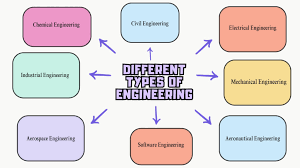
Major Types of Engineering
Civil Engineering
Civil engineering focuses on designing, constructing, and maintaining infrastructure such as roads, bridges, buildings, dams, and water systems. Civil engineers ensure that structures are safe, sustainable, and capable of supporting growing populations.
Key skills required:
- Structural analysis
- Project management
- Environmental awareness
- Problem-solving
Mechanical Engineering
Mechanical engineering is one of the broadest engineering disciplines. It involves the design and manufacturing of machines, engines, and mechanical systems used in industries such as automotive, aerospace, and manufacturing.
Areas of application include:
- Robotics
- Thermal engineering
- Manufacturing systems
- Automotive design
Electrical Engineering
Electrical engineering deals with the study and application of electricity, electronics, and electromagnetism. Electrical engineers design and maintain systems such as power grids, electrical circuits, and communication networks.
Core focus areas:
- Power systems
- Control systems
- Signal processing
- Renewable energy technologies
Electronics and Communication Engineering
This branch focuses on electronic devices, communication systems, and digital technologies. Engineers work on telecommunications, embedded systems, and wireless communication networks.
Common applications:
- Mobile and satellite communication
- Consumer electronics
- Internet of Things (IoT)
- Digital signal processing
Computer Science and Engineering
Computer Science and Engineering combines computing theory with practical software and hardware development. It is one of the most in-demand engineering fields today.
Key areas include:
- Software development
- Artificial intelligence
- Data science
- Cybersecurity
This field often overlaps with specialisations such as information science and engineering, which focuses on data handling, information systems, and advanced computing technologies.
Information Science and Engineering
Information Science and Engineering focuses on data processing, information systems, and software technologies. It prepares students to work in data-driven environments and emerging digital industries.
Skills developed include:
- Database management
- Cloud computing
- Data analytics
- System architecture
Chemical Engineering
Chemical engineering applies principles of chemistry, physics, and biology to transform raw materials into useful products. Chemical engineers work in industries such as pharmaceuticals, food processing, and energy.
Common sectors:
- Chemical manufacturing
- Biotechnology
- Environmental engineering
- Material processing
Biotechnology Engineering
Biotechnology engineering combines biology and technology to develop products and processes for healthcare, agriculture, and environmental sustainability.
Applications include:
- Medical diagnostics
- Genetic engineering
- Drug development
- Agricultural innovation
Aerospace Engineering
Aerospace engineering involves the design and development of aircraft, spacecraft, and related systems. It is divided into aeronautical and astronautical engineering.
Core focus areas:
- Aircraft design
- Space exploration technologies
- Propulsion systems
- Flight mechanics
Environmental Engineering
Environmental engineering addresses environmental challenges such as pollution control, waste management, and sustainable resource use. Engineers in this field work toward protecting natural ecosystems and public health.
Key responsibilities:
- Water and air quality management
- Waste treatment systems
- Sustainable infrastructure planning
Emerging and Interdisciplinary Engineering Fields
With rapid technological advancement, new engineering disciplines continue to emerge, including:
- Artificial Intelligence Engineering
- Robotics and Automation
- Renewable Energy Engineering
- Biomedical Engineering
Many top engineering colleges in Karnataka now integrate interdisciplinary learning to prepare students for future-ready careers.
Skills Needed to Succeed in Engineering
Regardless of the branch, successful engineers typically possess:
- Strong analytical and mathematical skills
- Logical reasoning and problem-solving ability
- Creativity and innovation
- Communication and teamwork skills
- Adaptability to evolving technologies
Engineering education emphasises both technical expertise and practical application through projects, internships, and research.
How to Choose the Right Engineering Discipline
Students can make informed choices by:
- Assessing personal interests and strengths
- Understanding curriculum content
- Exploring industry demand and career prospects
- Seeking academic counselling and mentorship
Early exposure to science, mathematics, and technology helps students build a solid foundation for engineering studies.
Career Opportunities in Engineering
Engineering graduates can pursue careers in:
- Technology and IT industries
- Manufacturing and infrastructure development
- Research and innovation
- Public sector and government organisations
- Entrepreneurship and startups
With the right skills and education, engineering offers long-term career stability and growth opportunities.
Conclusion
Understanding the types of engineering is essential for students exploring careers in science and technology. Each engineering discipline offers unique opportunities to innovate, solve problems, and contribute meaningfully to society.
As industries evolve and new technologies emerge, engineering education continues to expand, providing students with diverse and future-focused career pathways. By choosing the right specialisation and building strong foundational skills, aspiring engineers can shape a successful and impactful professional journey.
FAQs
1. What are the main types of engineering?
Major types include civil, mechanical, electrical, computer science, electronics, chemical, and information science engineering.
2. Which engineering field has the best career scope?
Career scope depends on interests and industry demand, but computer science, information science, and electronics currently offer strong opportunities.
3. Is engineering suitable for all students?
Engineering is ideal for students with strong analytical thinking, problem-solving skills, and interest in science and technology.
4. Can students switch engineering branches later?
Some institutions allow branch changes based on academic performance and availability.
5. Why is engineering education important?
Engineering drives innovation, infrastructure development, and technological advancement essential for modern society.
