


Best Electrical and Electronics Engineering Colleges in Bangalore

MVJ College of Engineering – Excellence in Electrical and Electronics Engineering

MVJ College of Engineering (MVJCE) offers a future-focused Electrical and Electronics Engineering (EEE) programme designed to prepare students for the rapidly evolving energy and automation sectors. The programme is a balanced combination of academic excellence, well-equipped laboratories, industry-linked learning, and practical exposure. The curriculum introduces students to power systems, renewable energy, electric vehicles, automation, and smart-grid technologies. So, if you are an aspiring engineer who wants to grow in this field, consider MVJCE among the best colleges for EEE in Bangalore and leading Electrical and Electronics Engineering colleges in Bangalore.

About MVJ

Embarking on a transformative journey spanning four decades, MVJ College of Engineering has evolved into a dynamic hub of learning, blending technical excellence with character development.

The goal of MVJCE has been to create effective programmes that transform students into highly motivated graduates and postgraduates enriched with professional competence, managerial skills, innovation, and industry readiness. The curriculum is regularly updated based on the recommendations of NEP 2020, AICTE Model Curriculum, UGC, VTU, and evolving national, societal, and industry requirements.

With its strong academic legacy and commitment to engineering excellence, MVJCE continues to be a preferred choice among students exploring ECE colleges in Bangalore.

Read more about us

Explore Our Programmes

MVJCE provides innovative emerging programs in Electrical Science and Engineering to bring out future ready engineers. Explore our highly competitive engineering programs that are approved by the AICTE and affiliated to VTU!

MVJ College of Engineering

Strengths at a Glance
Dotted circle 01
Modern Campus
acre
Dotted circle 02
UG Programmes
+ 15
Dotted circle 02
PG Programmes
8
Dotted circle 02
Research Centers
9
Dotted circle 01
Successful Alumni
26000

Facilities

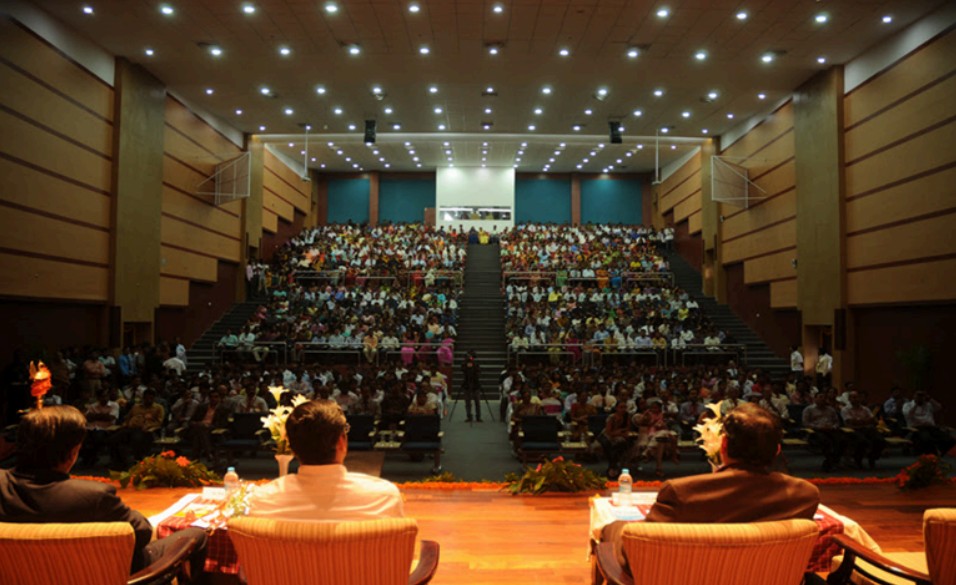
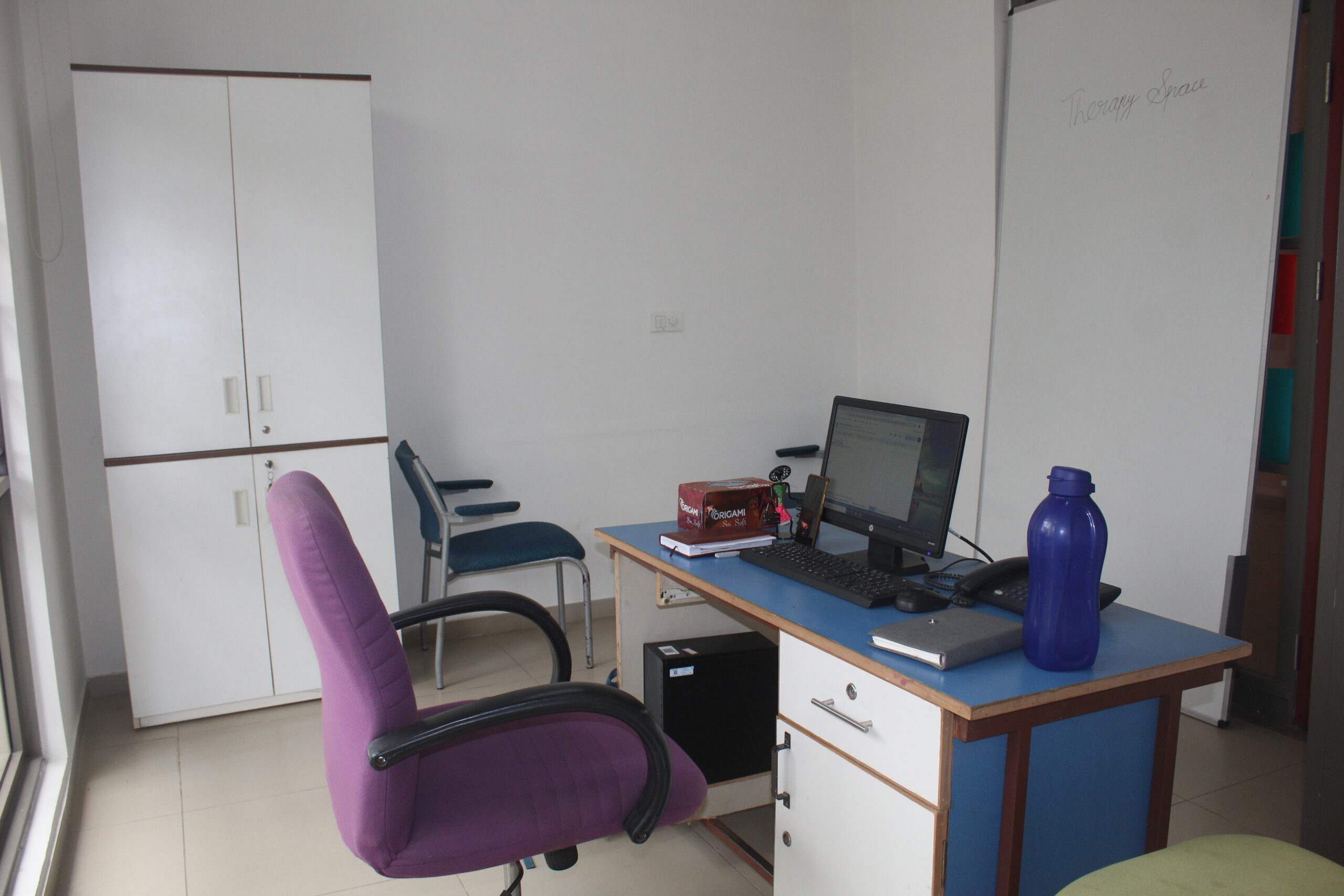
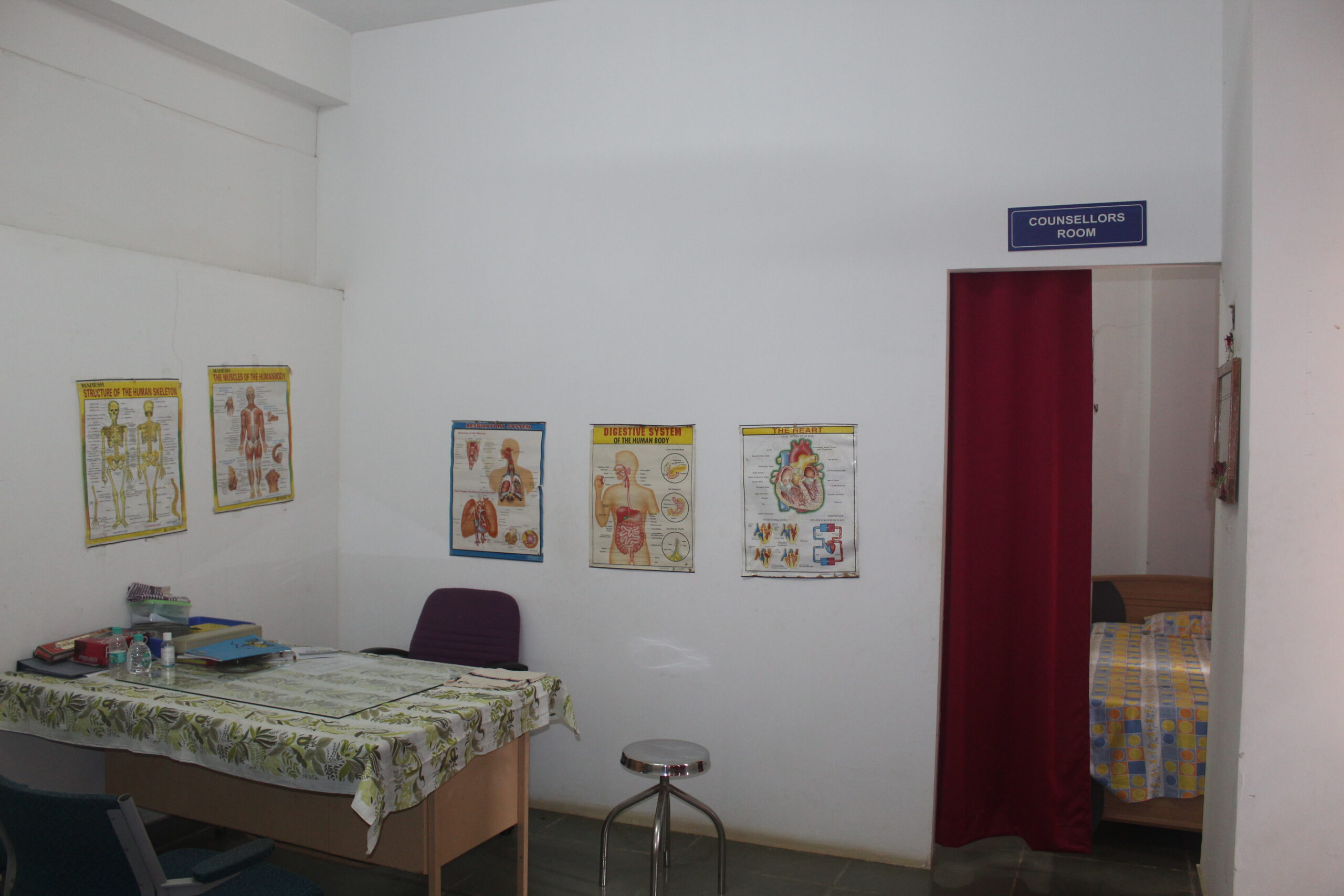
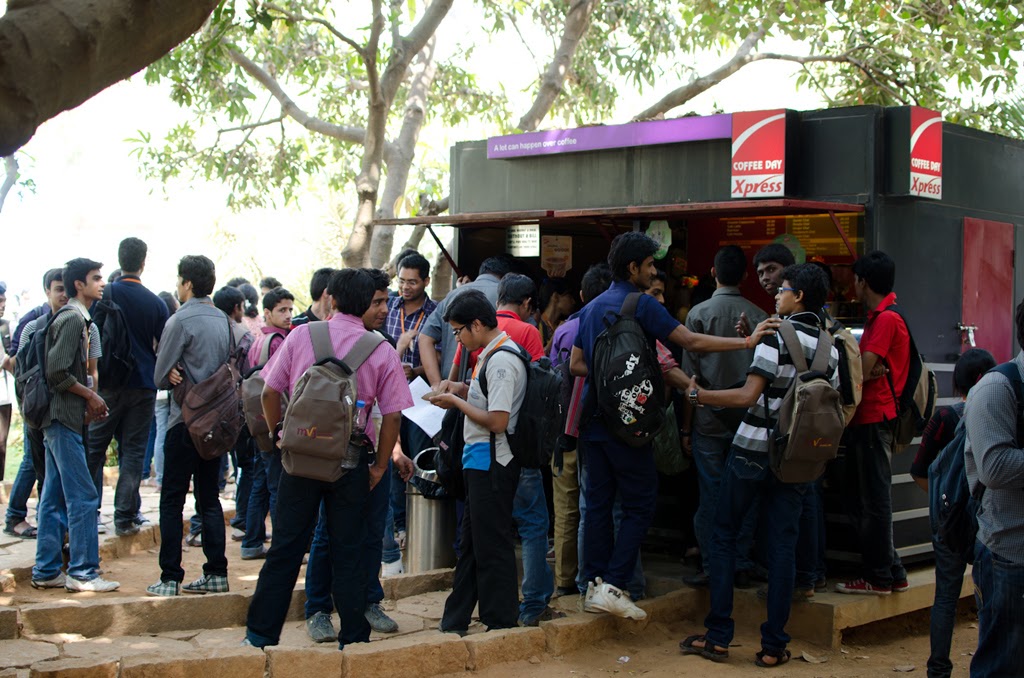
MVJCE provides academic and campus facilities that support focused learning, technical exploration, and overall student development.

Powering Careers Through Practical Learning at MVJCE

Not every college — or every curriculum — takes the same approach. At MVJCE, the EEE programme is built to equip students with strong technical expertise and problem-solving skills, blending solid theoretical concepts with practical learning as the electrical engineering landscape evolves.

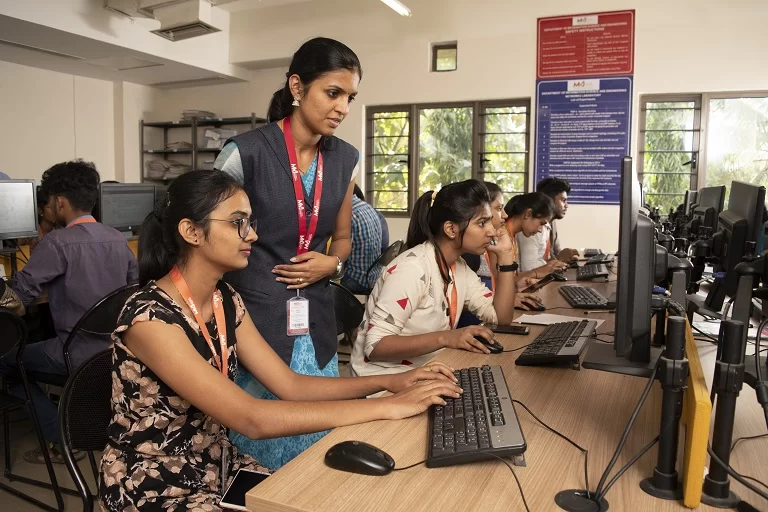
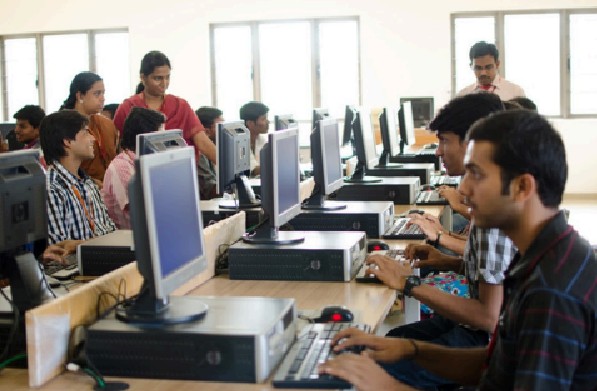
computer design img1
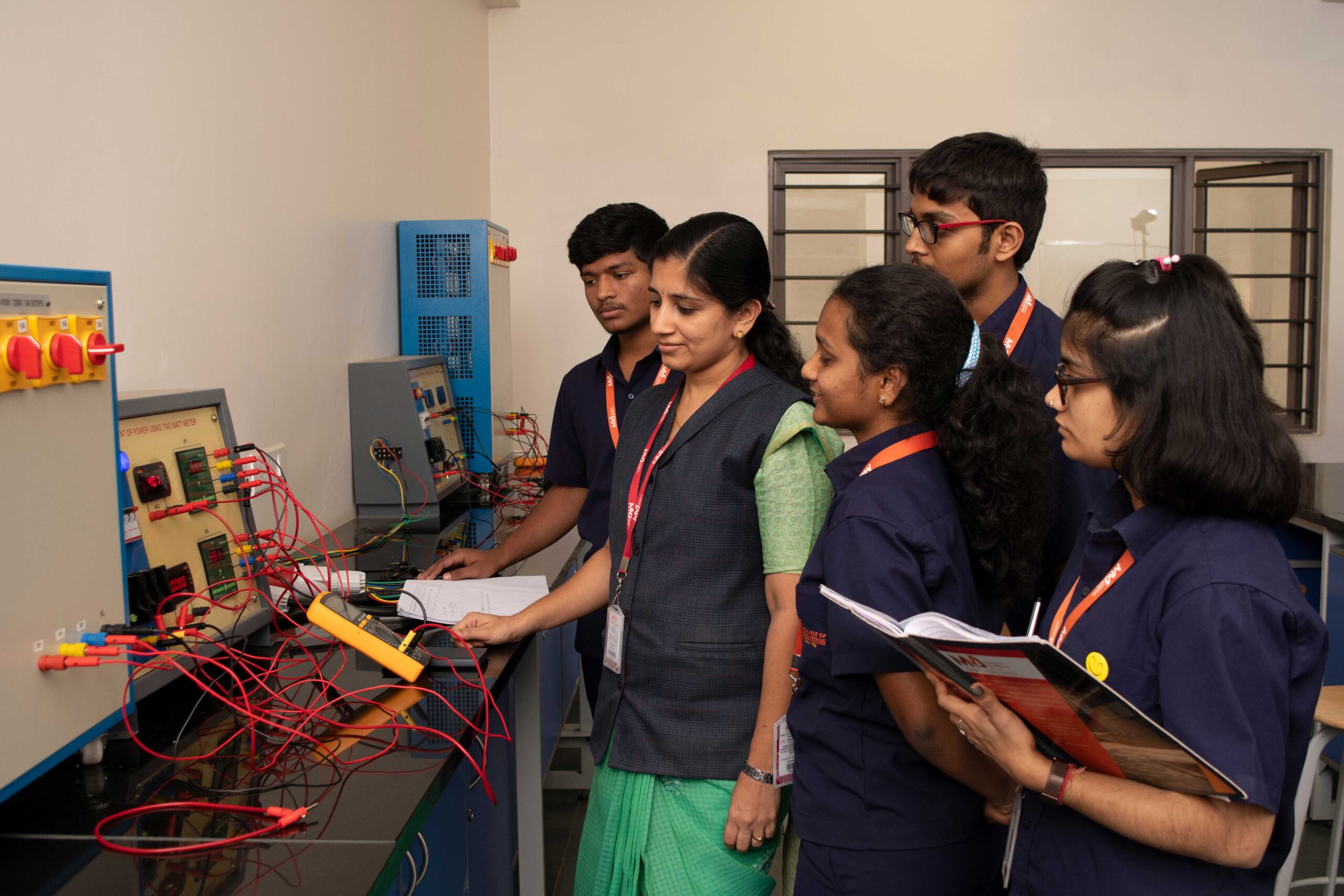
basic electrical engineering lab img

Students get hands-on experience through modern laboratories, industrial visits, and innovation-driven activities — building an understanding of sustainable technologies and real-world industrial applications.

The programme covers electrical machines, power electronics, control systems, renewable energy, and automation, giving students practical exposure well before graduation.

Frequently Asked Questions

1. Does MVJCE offer Electrical and Electronics Engineering (EEE)?

Yes, MVJ College of Engineering provides a four-year B.E. programme in Electrical & Electronics Engineering. The programme aims to develop strong technical knowledge and practical skills along with preparing students for career opportunities in Power, Automation, Renewable Energy, Electric Mobility, and Electronics and related industries.

2. What will I learn in the EEE programme?

The syllabus includes important topics such as Electrical Circuits, Electrical Machines, Power Systems, Power Electronics, Control Systems, Renewable Energy, Microcontrollers, Smart Grid Technologies, etc. Along with this, the programme emphasises a practical approach with the help of laboratory classes and projects.

3. What is the scope of EEE today?

The field of Electrical & Electronics Engineering is considered one of the most versatile engineering branches, with  opportunities across power generation, renewable energy, oil and gas, pharmaceuticals, heavy chemicals, automotive and telecommunications. Graduates can  also pursue pathways into higher education, research, and entrepreneurship.

4. What is the eligibility for B.E. EEE?

Candidates should have passed 10+2 with Physics and Mathematics as compulsory subjects, along with one of Chemistry, Biotechnology, Biology, Electronics, or Computer Science, from any recognised examination board.


For CET quota admission, candidates must:

  • Pass II PUC, Class 12, or an equivalent examination
  • Have English as one of the languages studied
  • Secure at least 45% aggregate in Physics and Mathematics, along with Chemistry / Biotechnology / Biology / Electronics / Computer Science
  • Meet a reduced minimum of 40% aggregate if applying under the SC/ST category (Karnataka)
  • Clear KCET

For management admission, candidates need a minimum aggregate of 60% in Physics and Mathematics with Chemistry/Biotechnology/Biology/Electronics/Computer Science, along with a qualifying score in KCET, COMEDK, JEE, or AMPCK. A mandatory campus interview/test also applies.

5. What career opportunities are available after EEE?

There are various job options for EEE graduates:

  • Design Engineer
  • Service Engineer
  • Aerospace Electrical Engineer
  • Military Engineer
  • Scientific Officer in DAE
  • Scientists in DRDO
  • Maintenance Engineer
  • Scientist or Engineer in ISRO
  • Engineer in NTPC
  • Testing Engineer
  • Software Engineer
  • Erection and Commissioning Engineer
6. Which tools and technologies will I work with?

The students are given exposure to industry-related tools and technologies:

  • MATLAB
  • LabVIEW
  • Mi-Power
  • AutoCAD

Knowing these tools contributes to practical engineering skills.

7. Does the EEE programme include projects, internships, and placements?

Yes. The programme includes:

  • System-level projects
  • Internships
  • Workshops
  • Expert talks
  • Guest lectures
  • Industry-linked exposure
  • Structured placement training

There is also aptitude training provided to the students.

Enquire About Admissions