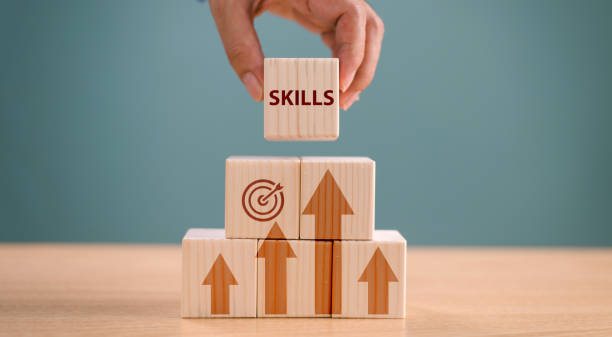
Academic excellence has long been considered the foundation of success in education and careers. However, in today’s competitive and fast-evolving professional world, academic knowledge alone is no longer enough. Employers increasingly look for individuals who can communicate effectively, adapt to change, work collaboratively, and lead with confidence. This is where soft skills development plays a transformative role.
Soft skills shape how individuals interact, solve problems, and navigate professional environments. While technical knowledge opens doors, soft skills determine how far one can go. This blog explores the importance of soft skills development, why it matters beyond academics, and how it prepares students—especially engineering aspirants—for long-term success.
Understanding Soft Skills Development
Soft skills development refers to building personal attributes and interpersonal abilities that influence how people communicate, collaborate, and manage responsibilities. Unlike technical skills, soft skills are not tied to a specific subject or profession but are essential across all careers.
Key soft skills include:
- Communication skills
- Teamwork and collaboration
- Leadership qualities
- Problem-solving ability
- Emotional intelligence
- Adaptability and resilience
These skills help students apply their academic knowledge effectively in real-world situations.
Why Soft Skills Matter Beyond Academics
Academic achievements demonstrate subject knowledge, but professional success depends heavily on behavior, attitude, and communication. Soft skills development bridges the gap between knowledge and performance.
Why Employers Value Soft Skills
- Strong communication improves teamwork
- Adaptability helps manage change
- Leadership skills drive innovation
- Emotional intelligence enhances workplace harmony
- Time management boosts productivity
Students who focus on soft skills alongside academics are better prepared for professional challenges.
The Role of Soft Skills in Engineering Careers
Engineering careers demand more than technical expertise. Engineers must collaborate across teams, present ideas clearly, and solve complex problems under pressure. Soft skills development is essential for engineers at every stage of their careers.
Students studying at a top engineering college in bangalore often benefit from environments that encourage teamwork, presentations, and leadership opportunities, helping them grow beyond textbooks.
Communication Skills: The Foundation of Soft Skills Development
Effective communication is one of the most critical aspects of soft skills development. Engineers and professionals must explain ideas, share insights, and collaborate with diverse teams.
Communication Skills Include
- Clear verbal expression
- Professional writing skills
- Active listening
- Presentation abilities
Strong communication reduces misunderstandings and improves efficiency in both academic and professional settings.
Teamwork and Collaboration
Modern workplaces rely heavily on teamwork. Projects are rarely completed in isolation, making collaboration an essential outcome of soft skills development.
Benefits of Strong Teamwork Skills
- Better idea-sharing
- Improved problem-solving
- Respect for diverse perspectives
- Stronger project outcomes
Students exposed to group projects and collaborative learning develop skills that prepare them for real-world work environments.
Leadership and Decision-Making Skills
Leadership is not limited to managerial roles. Every professional benefits from leadership qualities such as initiative, accountability, and confidence. Soft skills development nurtures these traits early.
Leadership skills help students:
- Take responsibility for tasks
- Guide peers during projects
- Make informed decisions
- Handle challenges proactively
Institutions recognized among top engineering colleges in karnataka often emphasize leadership development through student-led initiatives and experiential learning.
Problem-Solving and Critical Thinking
Technical knowledge provides tools, but soft skills enable effective problem-solving. Soft skills development strengthens analytical thinking and creative approaches to challenges.
How Soft Skills Improve Problem-Solving
- Encouraging logical reasoning
- Promoting innovative thinking
- Supporting collaborative solutions
- Enhancing adaptability
These abilities are invaluable in engineering, where real-world problems are rarely straightforward.
Emotional Intelligence and Workplace Success
Emotional intelligence is a vital component of soft skills development. It involves understanding emotions—both one’s own and others’—and responding appropriately.
Why Emotional Intelligence Matters
- Improves interpersonal relationships
- Reduces workplace conflict
- Enhances empathy and understanding
- Strengthens leadership effectiveness
Professionals with strong emotional intelligence are better equipped to manage stress and build positive work environments.
Time Management and Professional Discipline
Managing time effectively is essential for academic success and professional growth. Soft skills development teaches students how to prioritize tasks and meet deadlines responsibly.
Time Management Skills Help Students
- Balance academics and activities
- Reduce stress
- Improve productivity
- Build professional discipline
These habits carry forward into professional life, contributing to long-term success.
Soft Skills Development in Technical Education
Technical institutions increasingly recognize the importance of holistic education. Alongside core subjects, they emphasize soft skills development through workshops, presentations, internships, and collaborative projects.
For example, students pursuing studies in civil engineering colleges in bangalore often gain exposure to teamwork, site coordination, and communication—skills that are essential in real-world engineering projects.
Building Confidence Through Soft Skills
Confidence is a natural outcome of effective soft skills development. When students learn how to communicate clearly and work collaboratively, they gain self-assurance.
Confidence enables students to:
- Speak up in discussions
- Present ideas effectively
- Perform better in interviews
- Adapt to professional environments
This confidence is often the differentiating factor in competitive job markets.
Preparing Students for Career Transitions
Careers today are dynamic, with frequent changes in roles and technologies. Soft skills development equips students to adapt and thrive during transitions.
How Soft Skills Support Career Growth
- Adaptability to new roles
- Willingness to learn continuously
- Strong networking abilities
- Resilience during challenges
These qualities ensure long-term career sustainability.
The Long-Term Impact of Soft Skills Development
The benefits of soft skills development extend far beyond early career stages. Over time, these skills contribute to leadership growth, career advancement, and professional fulfillment.
Long-Term Advantages
- Improved career progression
- Strong professional relationships
- Leadership opportunities
- Greater job satisfaction
Soft skills remain relevant regardless of industry or role.
Conclusion
While academic knowledge forms the foundation of education, soft skills development gives students the tools to apply that knowledge effectively in real-world scenarios. Communication, teamwork, leadership, and emotional intelligence are no longer optional—they are essential for professional success.
By focusing on soft skills alongside academics, students prepare themselves not just for jobs, but for meaningful, adaptable, and successful careers. In a world that values collaboration and innovation, soft skills truly make the difference beyond academics.
FAQs
1. What is soft skills development?
Soft skills development involves building communication, teamwork, leadership, and interpersonal abilities.
2. Why are soft skills important beyond academics?
They help individuals perform effectively in professional environments and manage real-world challenges.
3. How does soft skills development help engineering students?
It improves communication, teamwork, and problem-solving, which are essential in engineering careers.
4. Can soft skills be learned or improved?
Yes, soft skills can be developed through practice, experience, and guided learning.
5. Do employers value soft skills development?
Absolutely. Employers prioritize candidates who demonstrate strong interpersonal and professional skills.